What is a Turbocharger?
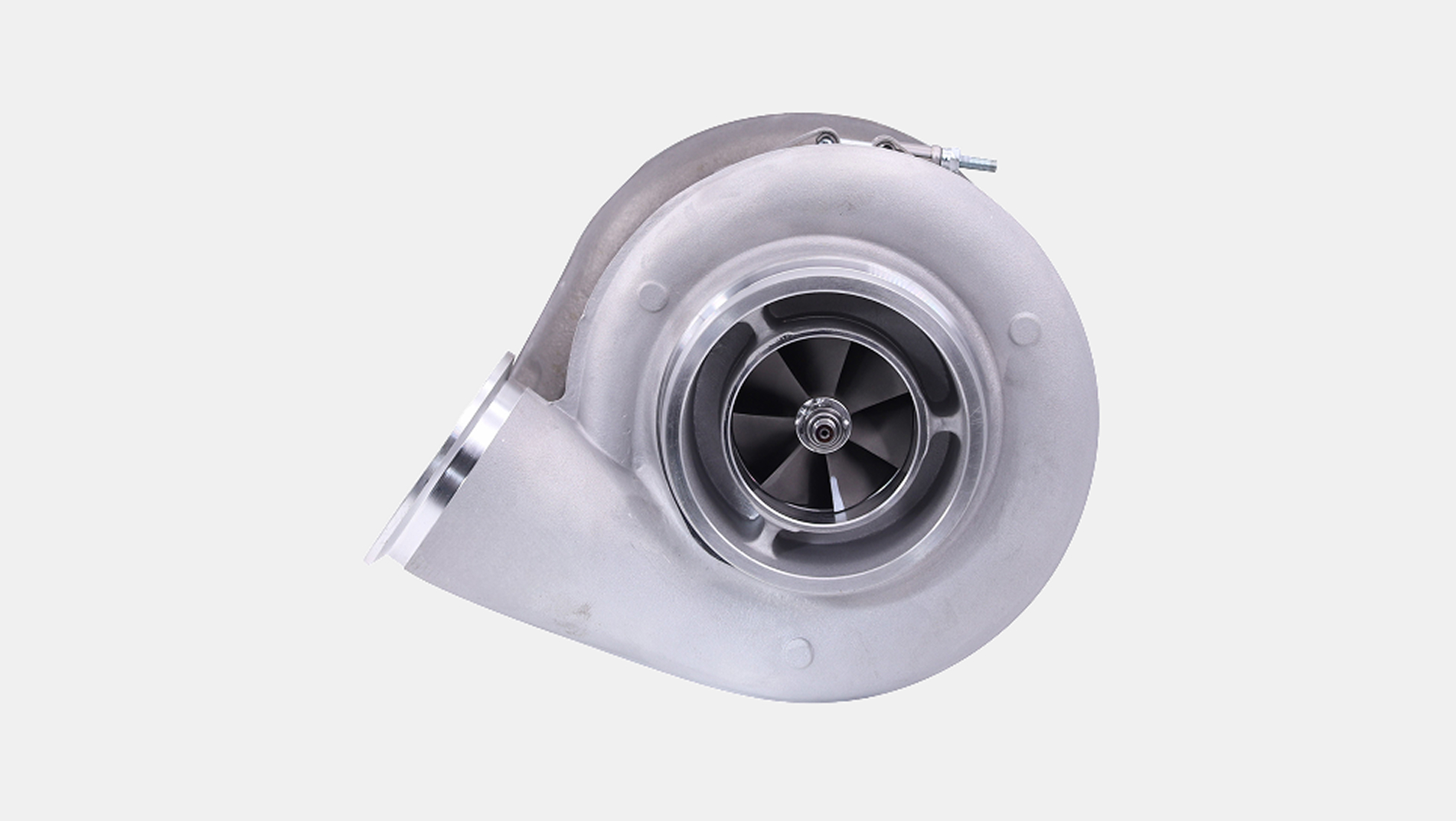 A turbocharger is designed to increase the amount of air coming into the engine to produce more power. They are a popular choice for use on many heavy-duty and commercial vehicles like semitrucks, buses and other over-the-road applications. By bringing more air into the engine, turbochargers can improve gas mileage and lower vehicle emissions.
Signs of a Failing Turbocharger
If you notice any of these signs of a failing turbocharger , it’s important to investigate the root cause. Proper diagnosis ensures that replacing the turbo will resolve the issue rather than mask a deeper problem. Once you've confirmed the need for a new turbocharger, follow these steps to help ensure a successful repair.
Getting Ready

Cool the Engine
Let the engine cool completely before beginning any work.

Disconnect the Battery
Prevent electrical issues during the repair.

Wear Safety Gear
Use gloves and safety glasses to protect yourself.

Gather Tools
You’ll need a socket wrench set, torque wrench, and flathead and Philips screwdrivers.
Selecting the Right Turbo
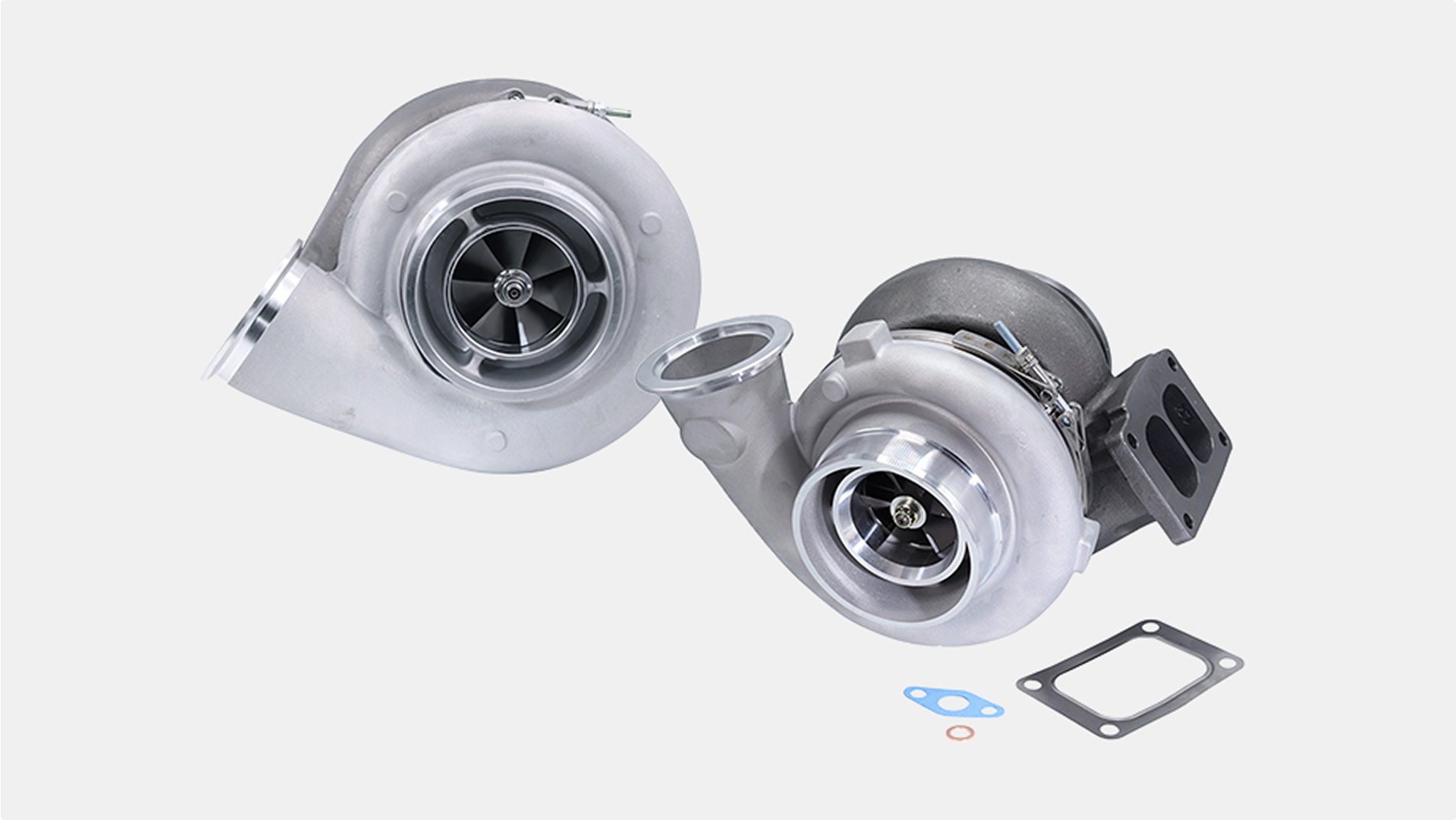
Engineered to restore diesel engine performance and durability, FP Diesel® turbochargers are available for a variety of heavy-duty applications. Built with 100% new components, these OE-style replacements optimize airflow to support efficient combustion and engine output.
Before Installation
Drain Engine Oil
Prevents oil spills and helps remove contaminants when removing the turbo.
Replace Oil Filter
A new filter ensures no residual oil contaminates the engine.
Clean Turbo Oil Inlet & Drain Lines
Flush both the turbo and engine block lines to clear out debris and old oil.
Pre-Lube Turbo
Pre-lube the new turbo with fresh engine oil before installing. Add clean engine oil to the inlet while manually rotating the shaft until oil exits the drain.
Inspect Air Hoses and Intake System
Check that all connections to the turbo are clean and undamaged.
Service Air Filter
Clean or replace air filter to prevent debris from entering the turbo.
Check Engine Breather
Ensure engine breather is clean and functioning properly.
Confirm Oil Level and Flow
Verify that oil is at the proper level and that it can circulate freely from the turbo to the crankcase.
Clean Intake, Charge Air and Exhaust Areas
Remove any residual fluids or contaminants.
Examine Air Lines
Ensure the air lines connected to the turbo are undamaged and clean.
Inspect Exhaust System
Check for contaminants or debris that could affect performance.
Flange & threads
Ensure engine mating surfaces are clean and undamaged. Verify bolts aren’t stripped. Rework as needed for a proper seal and torque.
Installing the New Turbo
Clean the Mounting Surface
Wipe the area with a rag to remove oil or, if applicable, coolant residue. Pay extra attention to the flanges, especially around the exhaust manifolds or tube assemblies.
Align Turbo
Position the turbo against the exhaust manifold and torque bolts to OE specifications.
Reconnect Oil and Coolant Lines
Use new gaskets to reconnect oil and coolant lines. FP Diesel turbochargers come with new gaskets, O-rings and/or bolts for a complete repair.
Pre-Lube Lines
Crank the engine without starting it to prime the oil lines.
After Installation
Change the Oil
Follow OE recommendations for weight and amount of oil.
Prime the System
Disable the ignition system and crank the engine for 60 seconds or until oil pressure builds.
Start the Engine
Let the engine idle for about two minutes. Avoid revving.
Check for Leaks
While idling, inspect all air, exhaust, water and oil connections. Listen for hissing that may indicate air leaks.
Ongoing Monitoring
Take it Easy
For the first 50 miles, avoid towing, high speeds or other aggressive maneuvers.
Monitor Performance
After 20 hours or 650 miles of operation, recheck all connections for proper seating and leak-free operation.
Cool-Down Procedure
Don’t shut off a hot engine. Let it idle for a few minutes before shutdown.
Learn more about premium heavy-duty parts, consult our catalogs, find your car part, or find where to buy your auto part today.
The content in this article is for informational purposes only. You should consult with a certified technician or mechanic if you have questions relating to any of the topics covered herein. DRiV and its affiliates (including Federal-Mogul Motorparts LLC) will not be liable for any loss or damage caused by your reliance on any content.