Engine Performance Issues
For vehicles with a turbocharger, it is easy to assume that any trouble with the engine is the fault of the turbo and that replacing it will solve the issue. However, failing to get to the root cause of the problem can lead to the unnecessary replacement of the turbo. When the underlying issue isn't addressed, it can lead to a cycle of installing a new turbo, experiencing premature failure, and repeating the process.
Many times, the source of the issue is something like inadequate lubrication (i.e., coked oil supply line, poor maintenance, or a leaking/cracked oil hose). Avoid repeating an expensive repair by doing some basic checks before deciding that replacing the turbocharger is the right course of action.
Finding the Source of the Problem
Installing a new turbocharger is an investment in time and money. Before determining that a new turbo will restore your vehicle, take the time to run through some basic checks; you may find that the source of the issue is an easy fix. Depending on the symptom the vehicle is exhibiting, there are targeted steps you can take to help you get to the root cause of the problem.
Symptom: Reduced Power
Checks to make:

Oil and Coolant
Check levels.

Hoses, filter and pipes
Inspect to ensure they're in good working condition.

Fuel injection system
Correctly adjusted?

ECU software
Updated?

Exhaust System
Check for blockages or damage.

Air filter
Ensure the correct filter for the application is installed.
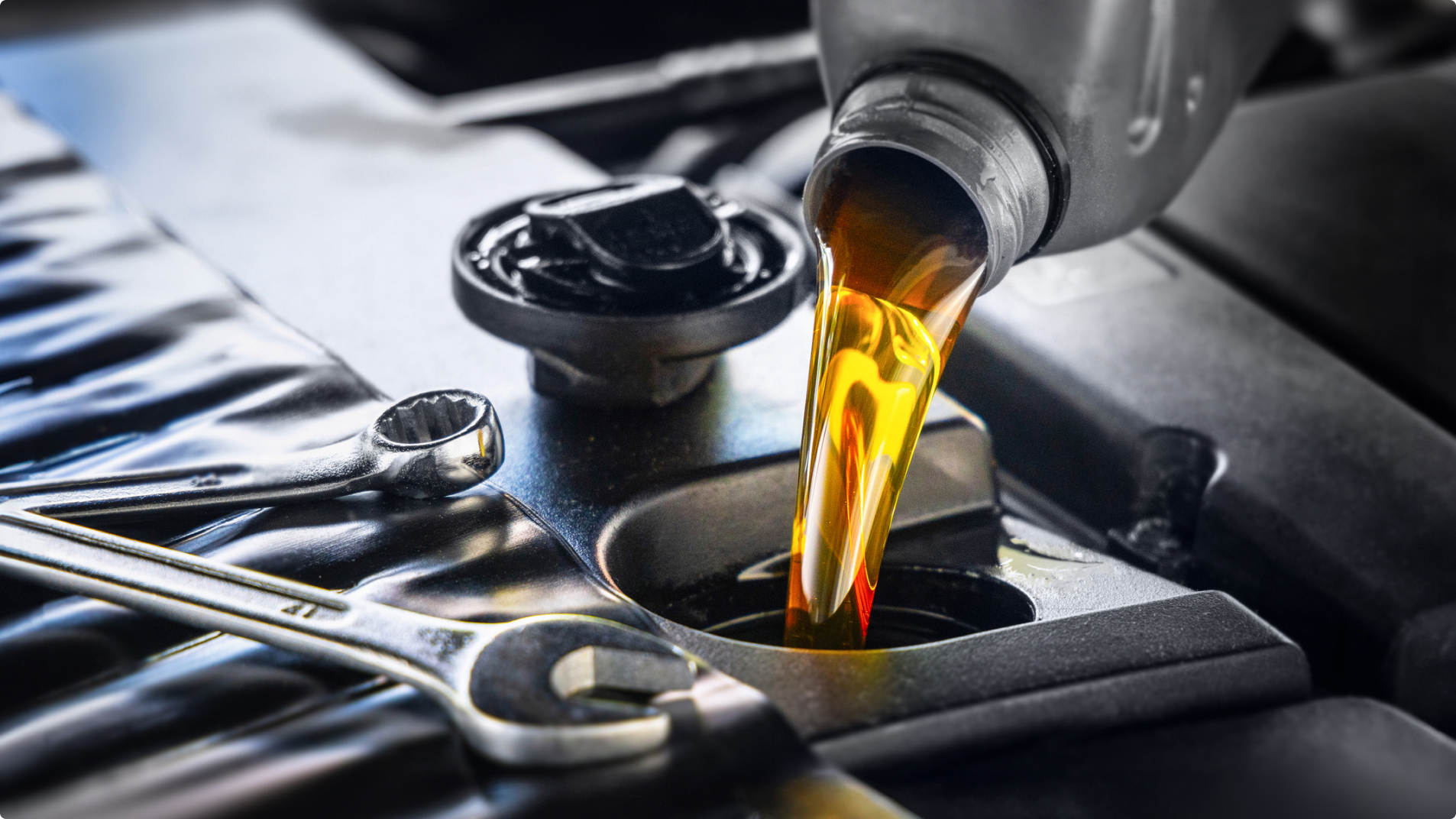
Symptom: Using Excessive Oil or Blowing Excessive Smoke
Checks to make:
Air filter and air induction system
Make sure there are no restrictions.
Oil drain pipe
Clean and ensure there are no blockages.
Hoses and joints
Examine to make sure they are in good shape.
Engine block
Look for lubrication problems.
Impeller
Make sure it spins freely with no excessive play.
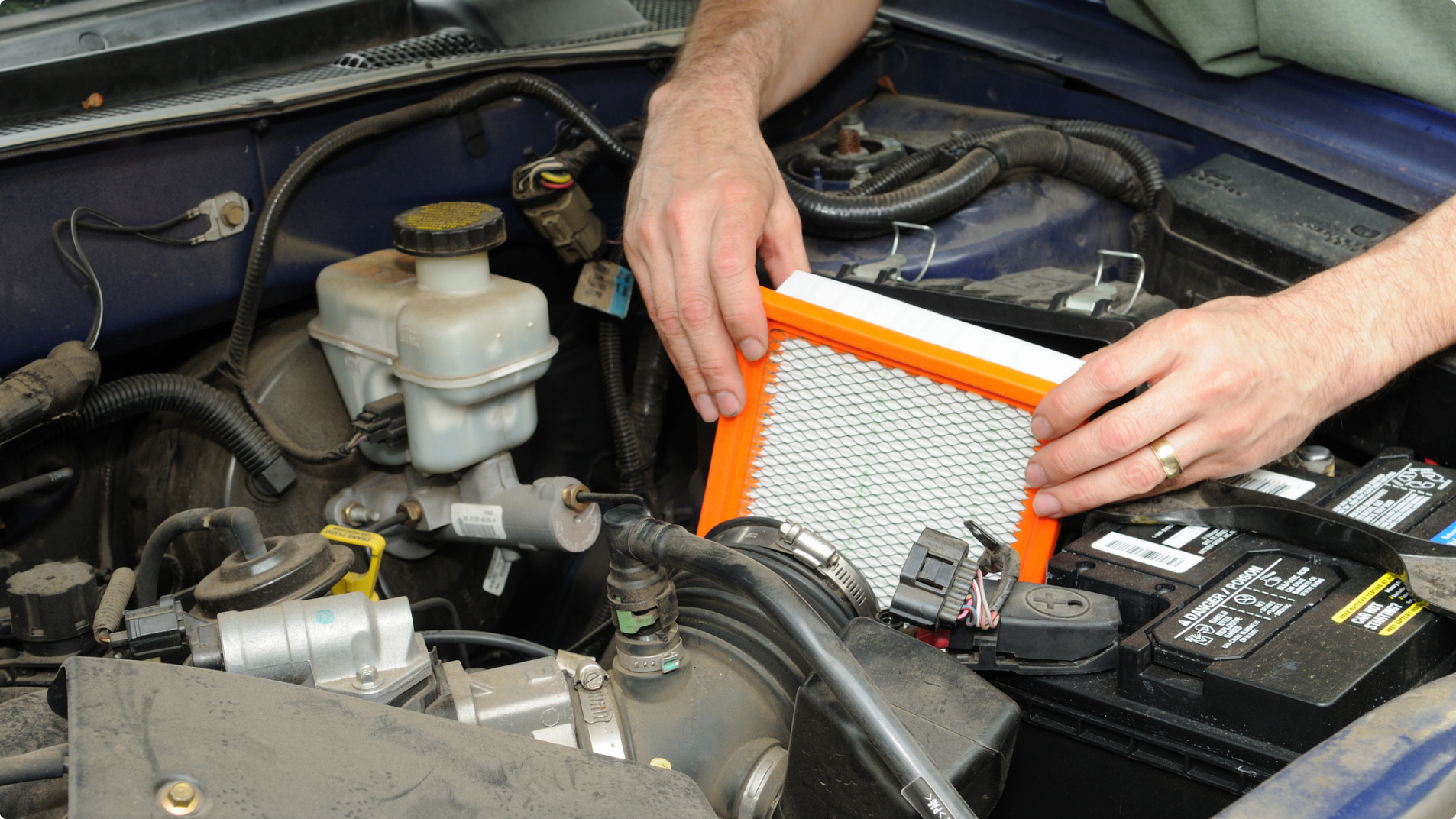
Symptom: Noisy Operation
Checks to make:
Intercooler
Look for leaks or other concerns, resolve any issues.
Support brackets and pipes
Tighten any loose brackets/pipes; replace any damaged pieces.
Induction system and exhaust system
Make sure there are no restrictions.
Impeller
Check for excessive play.
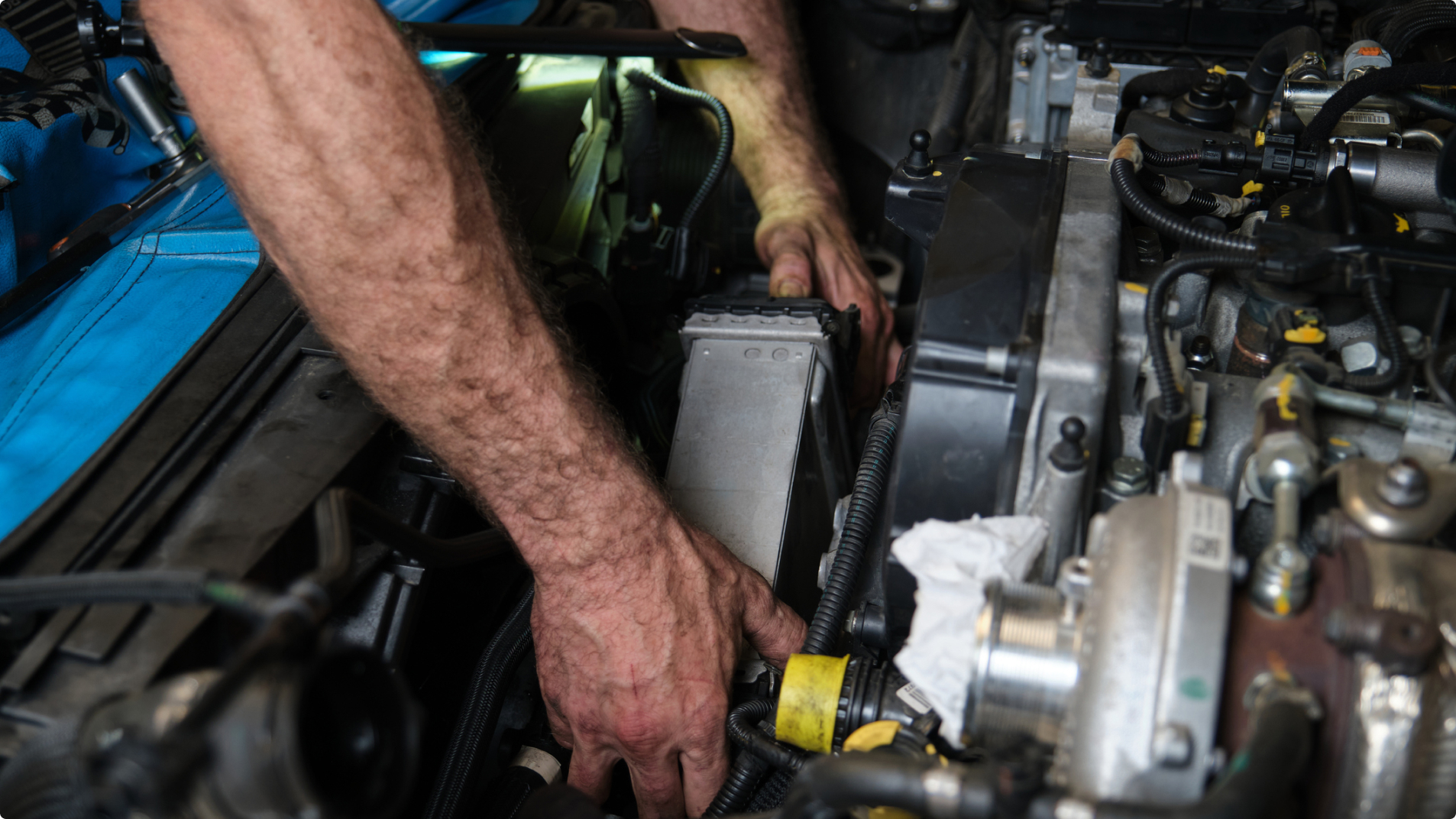
Learn more about premium heavy-duty parts, consult our catalogs, find your car part, or find where to buy your auto part today.
The content in this article is for informational purposes only. You should consult with a certified technician or mechanic if you have questions relating to any of the topics covered herein. DRiV and its affiliates (including Federal-Mogul Motorparts LLC) will not be liable for any loss or damage caused by your reliance on any content.